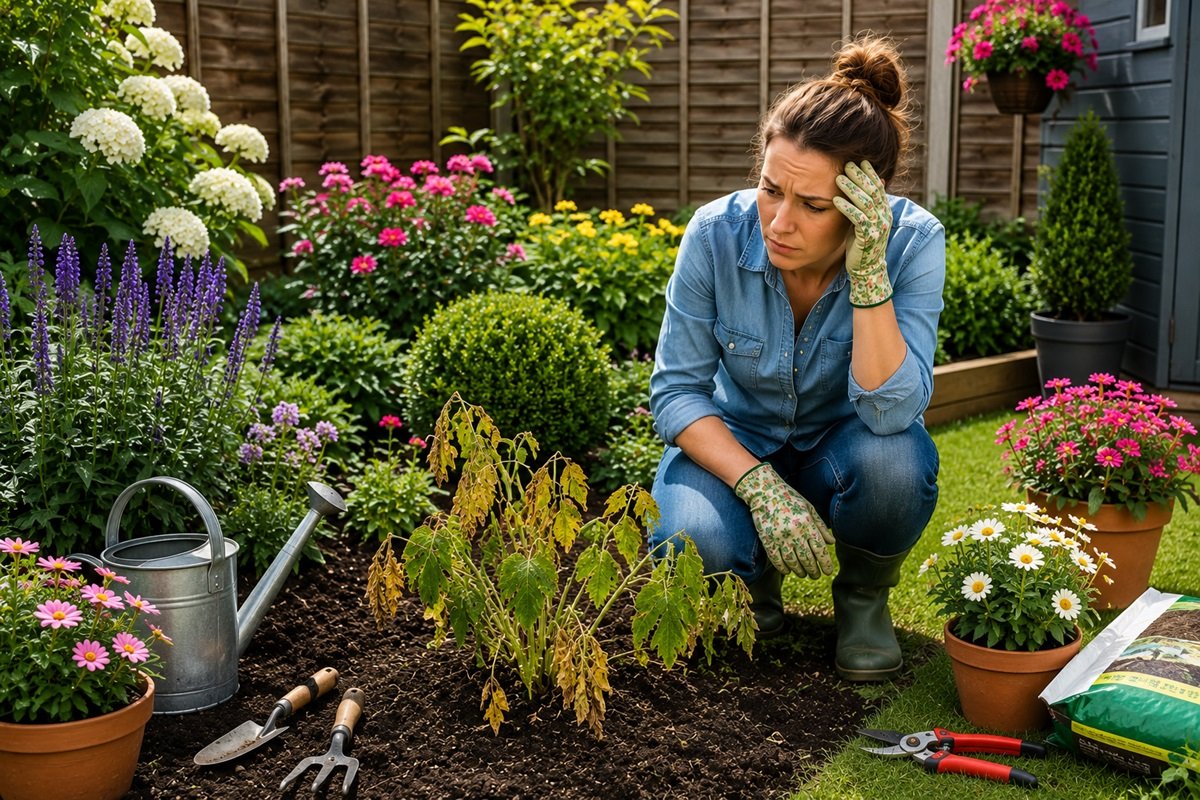
A well-maintained garden can make your home more attractive, provide a peaceful place to relax and even increase its value. However, many UK homeowners make simple gardening mistakes that affect plant health, stunt growth and create unnecessary maintenance tasks.
Whether you are just starting out or are an experienced gardener, recognising these common errors can help you to create a healthier and more enjoyable outdoor space. Read on for 10 mistakes to avoid and practical tips to help your garden flourish.
1. Choosing Plants That Do Not Suit Your Garden
One of the biggest mistakes is choosing plants based solely on their appearance, without taking into account the growing conditions. Some plants require full sunlight, while others thrive in shade or moist soil.
How can this mistake be avoided?
Choose plants that match your garden’s soil type, sunlight levels and climate. Native and climate-friendly plants are often easier to maintain and more likely to thrive.
2. Watering Too Much
Many people believe that daily watering keeps plants healthy. However, in reality, overwatering can lead to root problems and encourage fungal diseases.
How can this be avoided?
Check the soil before watering. If it still feels damp, wait another day. Water deeply when needed, preferably in the early morning.
3. Ignoring Soil Quality
Healthy soil is the foundation of every successful garden. Poor soil can prevent plants from receiving the nutrients they need to grow.
How to avoid it
One way to improve soil structure and fertility is to add compost or well-rotted organic matter. Testing your soil can also help you to understand its nutrient levels and acidity.
4. Planting Too Closely Together
When plants are crowded together, they compete for sunlight, water and nutrients. Limited airflow can also increase the risk of disease.
How to avoid it
Always follow the recommended spacing guidelines for each plant, allowing enough room for future growth.
5. Skipping Seasonal Garden Care
Gardens need attention all year round. Neglecting seasonal tasks can result in unhealthy plants and an untidy outdoor space.
How to avoid it
Design a straightforward gardening timetable incorporating pruning, feeding, mulching, lawn care and seasonal planting.
6. Allowing Weeds to Spread
Weeds compete with flowers, shrubs and vegetables for nutrients and moisture. If left untreated, they can quickly take over.
How to avoid it
Remove weeds regularly before they produce seeds. Applying mulch around plants can also help to reduce weed growth and retain moisture in the soil.
7. Pruning at the Wrong Time
Pruning at the wrong time can reduce flowering, damage shrubs, or weaken trees.
Learn how to avoid this.
Learn the correct pruning season for each plant. For example, many spring-flowering shrubs should only be pruned after they have finished blooming.
8. Forgetting About Wildlife
Birds, bees, butterflies and other beneficial insects play an important role in maintaining a healthy garden ecosystem.
How to avoid it
Grow pollinator-friendly flowers, provide fresh water and include bird feeders or nesting areas to attract wildlife to your garden.
9. Using Too Much Fertiliser
Applying more fertiliser than is necessary will not necessarily result in better growth. In fact, excess nutrients can damage plants and reduce flowering.
How to avoid it
Follow the recommended application rates and avoid overfeeding. Using organic compost is a natural way to improve soil fertility over time.
10. Planning the Garden Poorly
Failing to consider future growth, access and maintenance when planting often results in a garden that is overcrowded and difficult to manage.
How to avoid it
Plan your garden layout before planting. Consider factors such as sunlight, drainage, seating areas, pathways and the amount of maintenance each section will require.
Conclusion
A successful garden requires careful planning and regular maintenance. Avoiding common gardening mistakes can help keep your plants healthy, reduce the amount of maintenance required, and create an outdoor space that you can enjoy all year round.
Simple improvements such as choosing suitable plants, improving soil quality, watering correctly and maintaining your garden throughout the year can make a big difference. With a little preparation and ongoing care, UK homeowners can enjoy a beautiful garden that enhances their everyday lives and the long-term value of their property.