Buying a house is one of the biggest financial commitments you will make. Making the wrong decision could result in expensive repairs, unexpected costs or future problems. Before making an offer on a property in the UK, it is important to ask the right questions and gather as much information as possible.
Below are 12 essential questions to ask before buying a house in the UK.
1. Why Is the Seller Moving?
Understanding why the current owner is selling can provide useful information about the property. While reasons such as relocating, upsizing or downsizing are usually straightforward, selling due to problems with the home or local area may require further investigation.
2. How Long Has the Property Been on the Market?
A house that has been on the market for a long time may have potential issues. It may be overpriced, have structural problems or require major repairs, or it may simply be in a less desirable location.
Ask the estate agent why previous buyers did not complete the purchase and if there have been any previous offers.
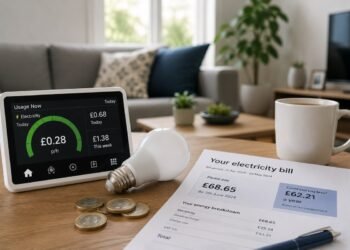
3. How Much Are the Monthly Running Costs?
The purchase price is not the only expense to consider. You should also ask about council tax, energy bills, water charges, insurance costs and maintenance expenses.
Understanding these ongoing costs will help you decide whether the property is within your budget.
4. What Is Included in the Sale?
Not everything you see during a viewing is automatically included in the sale of the property. Make sure you ask whether appliances, garden sheds, fitted wardrobes, curtains or other fixtures are included.
Clarifying this early on can prevent disagreements later in the buying process.
5. Are There Any Problems With the Property?
Always ask the seller or estate agent about any known issues. These could include damp, roof repairs, plumbing problems, electrical faults or previous structural work.
A property survey can also help you to identify any hidden problems before you commit to buying.
6. How Old Are the Roof, Boiler, and Electrical Systems?
The cost of replacing major systems in a home can be high. Ask about the last time the roof was repaired, the age of the boiler, and whether the electrical wiring has been updated.
Knowing the condition of these systems will help you to plan for future costs.
7. What Is the Energy Efficiency Rating?
An Energy Performance Certificate (EPC) shows how energy-efficient a property is. A low rating may result in higher heating costs and the need for future improvement work.
Ask what improvements could increase efficiency, such as better insulation or upgraded windows.
8. Are There Any Planned Developments Nearby?
Future developments can affect both your quality of life and the value of your property. Find out if there are any plans for new roads, housing projects or commercial buildings nearby.
Your local council’s planning portal may be a useful source of information.
9. What Is the Neighbourhood Like?
The location is a key factor in ensuring long-term satisfaction. Ask about noise levels, local amenities, transport links, schools, crime rates and community facilities.
It is also advisable to visit the area at different times of day.
10. How Much Is the Council Tax?
Council tax varies significantly between areas and property bands. Find out the current council tax band for your property and check the annual cost with the local authority.
This expense should be included in your monthly budget calculations.
11. Have Any Renovations or Extensions Been Completed?
If the property has been extended or renovated, find out if the correct planning permissions and building regulations approvals were obtained.
Missing paperwork could cause problems when you come to sell the property.
12. Is the Property Leasehold or Freehold?
This is an important question, particularly when it comes to flats and certain types of houses. Leasehold properties may incur service charges and ground rent, and there may be restrictions on alterations.
Make sure you understand all the costs and responsibilities involved before making a decision.
Conclusion
Buying a house in the UK requires careful research and preparation. Asking the right questions can help you avoid costly surprises and ensure that you make a confident investment.
Taking time to investigate property condition, running costs, the local area and ownership type before buying can save you money and stress in the future.