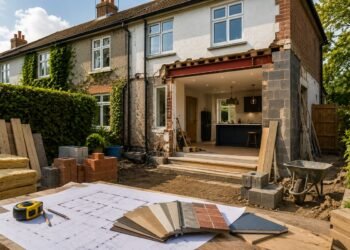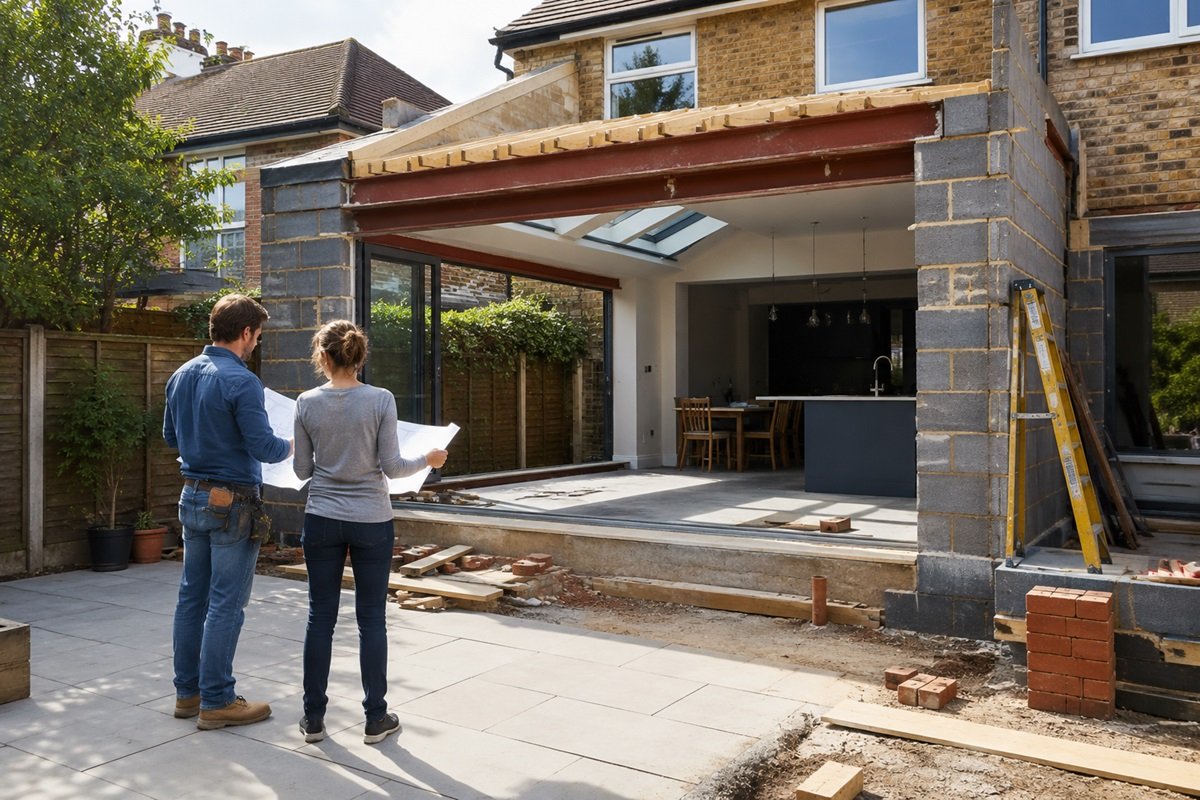
One of the most effective ways to create extra living space without moving house is to build a home extension. Whether you want a larger kitchen, a home office, an extra bedroom or an open-plan living area, a well-designed extension can enhance your lifestyle and boost your property’s value.
However, extending a home is a significant investment. Careful planning can help you avoid unexpected costs, delays and legal issues. Read on for 12 important things to consider before starting a home extension project in the UK.
1. Define Your Goals
The first step is to identify why you want an extension. Are you looking to create more space for a growing family, add a home office or improve your property’s resale value?
Having clear objectives will help you make design decisions that ensure the finished extension meets your long-term needs.
2. Set a Realistic Budget
The cost of a home extension varies depending on its size, the materials used, its location and its complexity. Your budget should include the following:
- Construction costs
- Architectural drawings
- Structural engineer fees
- Planning application fees
- Building Regulations approval
- Interior finishing
- A contingency fund for unexpected expenses
Setting aside around 10–15% of your budget for unforeseen costs is generally recommended.
3. Check Planning Permission Requirements
Not all extensions require planning permission. Many smaller projects fall under permitted development rights, but larger extensions or homes in conservation areas may require formal approval.
To avoid expensive mistakes, check the rules with your local planning authority before beginning work.
4. Understand Building Regulations
Even if planning permission is not required, most extensions must comply with UK building regulations.
These rules cover important areas such as:
- Structural safety
- Fire protection
- Energy efficiency
- Drainage
- Ventilation
- Electrical safety
Building Regulations ensure your extension is safe and legally compliant.
5. Choose the Right Design
Rather than looking like an afterthought, your extension should complement your existing property.
Consider:
- Natural light
- Roof style
- Window placement
- Interior flow
- Future flexibility
A well-designed, practical extension often provides better long-term value than simply adding more square metres.
6. Think About Neighbours
Construction work can affect neighbouring properties, especially those with shared boundaries or terraced homes. If your extension involves a shared wall or excavation near neighbouring foundations, you may need to comply with the Party Wall etc. Act 1996.
Good communication with neighbours can help prevent disputes during construction.
7. Hire Experienced Professionals
Working with qualified professionals can save you time, money and stress.
Depending on your project, you may need the following:
- Architect
- Structural engineer
- Builder
- Surveyor
- Building inspector
Always check references, previous projects, insurance, and written quotations before hiring contractors.
8. Consider Energy Efficiency
A modern extension is an excellent way to improve your home’s energy performance.
You could include the following:
- High-performance insulation
- Energy-efficient windows
- Underfloor heating
- LED lighting
- Solar panels
- Smart heating controls
Better energy efficiency can reduce future household bills while improving comfort.
9. Plan for Temporary Disruption
Home extensions often involve noise, dust and limited access, as well as the temporary loss of certain rooms.
If your kitchen or bathroom will be out of action during the construction work, think about how your family will manage.
Planning ahead can make the building process much less stressful.
10. Protect Outdoor Space
While gaining indoor space is appealing, try not to sacrifice too much of your garden.
Properties with a balance of indoor and outdoor living areas are often more attractive to future buyers and provide better everyday enjoyment.
11. Think About Property Value
Not all extensions deliver the same return on investment.
Well-planned projects, such as kitchen extensions, additional bedrooms or open-plan living spaces, often offer the best value for money.
Research local property prices to ensure your investment remains financially sensible for your area.
12. Prepare a Realistic Timeline
Home extensions rarely get finished overnight.
Completion dates can be affected by weather conditions, material shortages, planning approvals and unexpected structural issues.
Therefore, it is advisable to discuss a detailed project schedule with your builder before work begins, allowing for some flexibility in case of delays.
Conclusion
A home extension can transform the way you live and increase the value of your property. To ensure success, it is important to plan carefully, budget realistically, comply with the law and choose experienced professionals.
If you consider these 12 factors before construction begins, you will be better prepared to manage your project with confidence and avoid many of the common challenges that homeowners face. Taking the time to plan properly now can result in a home that is more comfortable, functional and valuable for years to come.