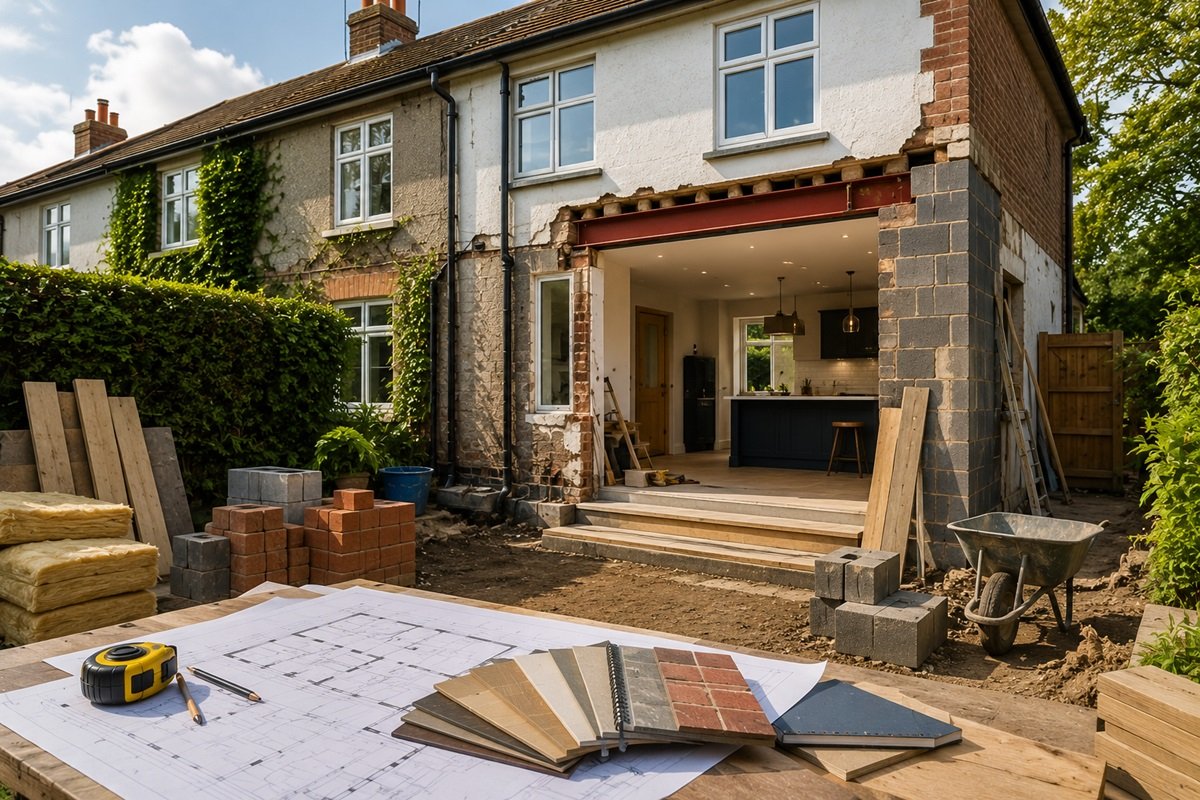
Although renovating a home is a major investment, delaying essential improvements can lead to bigger, more expensive problems in the future. Many UK homeowners ignore early warning signs because they seem minor. However, these small defects can quickly develop into structural damage, damp problems, higher energy bills and a reduction in property value.
Here are eight signs that your UK home may need renovating before the problems worsen.
1. Persistent Damp and Mould Problems
Damp is one of the most common issues in UK homes, particularly in older properties. The presence of mould patches, musty odours, peeling wallpaper or damp marks on walls and ceilings could indicate poor ventilation, leaking pipes or rising damp.
Ignoring damp can cause damage to plaster, timber and insulation, and can also affect indoor air quality. Renovation work may involve improving ventilation, repairing leaks, upgrading insulation, or treating affected areas.
2. Cracks Appearing on Walls or Ceilings
While not all cracks are serious, new or expanding ones should never be ignored. While small hairline cracks may be caused by normal movement, larger cracks around windows, doors or external walls can indicate structural issues.
Only a professional inspection can determine whether repairs or a larger renovation project are needed to protect your home.
3. Increasing Energy Bills
If your heating bills are increasing despite normal usage, it may be because your home is losing energy through poor insulation, old windows or an inefficient heating system.
Many UK properties, particularly older houses, require upgrades such as loft insulation, double or triple glazing, improved heating controls and energy-efficient appliances. Renovating your home can make it warmer while reducing your long-term running costs.
4. Outdated Kitchen or Bathroom Areas
Kitchens and bathrooms are among the most frequently used rooms in any home. Renovating them to address issues such as damaged fittings, outdated layouts, poor storage and plumbing problems can significantly improve comfort and property value.
Modernising these rooms can also make your home more appealing to potential buyers.
5. Old Electrical Wiring and Unsafe Systems
Some older UK homes may have outdated electrical systems that cannot handle modern appliances. Warning signs include flickering lights, frequent trips to the fuse box, burning smells and old sockets.
Electrical upgrades are not just about convenience; they are also essential for safety. When renovating your home, you have the opportunity to upgrade your electrical systems to current standards.
6. Damaged Roof or Missing Roof Tiles
Your roof protects your entire property from the UK’s ever-changing weather conditions. Signs that repairs or renovation may be needed include missing tiles, water stains on ceilings, leaks, and visible roof damage.
Neglecting your roof can lead to damp, insulation problems and costly internal damage.
7. Poor Layout and Lack of Space
Many older UK homes were designed with different lifestyles in mind. If your home feels cramped or has unused spaces that do not meet your family’s needs, renovating it to improve the layout could be the answer.
Projects such as creating open-plan living areas, converting lofts, or building extensions can generate more usable space without the need to move house.
8. Your Home Looks Tired and Worn
While faded paint, damaged flooring, outdated décor and ageing fixtures may not cause immediate problems, they can reduce your home’s appeal and value.
Renovating your property can refresh it, improve its functionality, and create a more comfortable living environment.
Conclusion
UK homeowners can save thousands of pounds in future repairs by recognising renovation signs early. Problems such as damp, roof damage, outdated systems and poor energy efficiency tend to become more costly the longer they are ignored.
Conducting regular inspections and making timely improvements can protect your investment, increase your home’s value, and create a safer and more comfortable living environment.