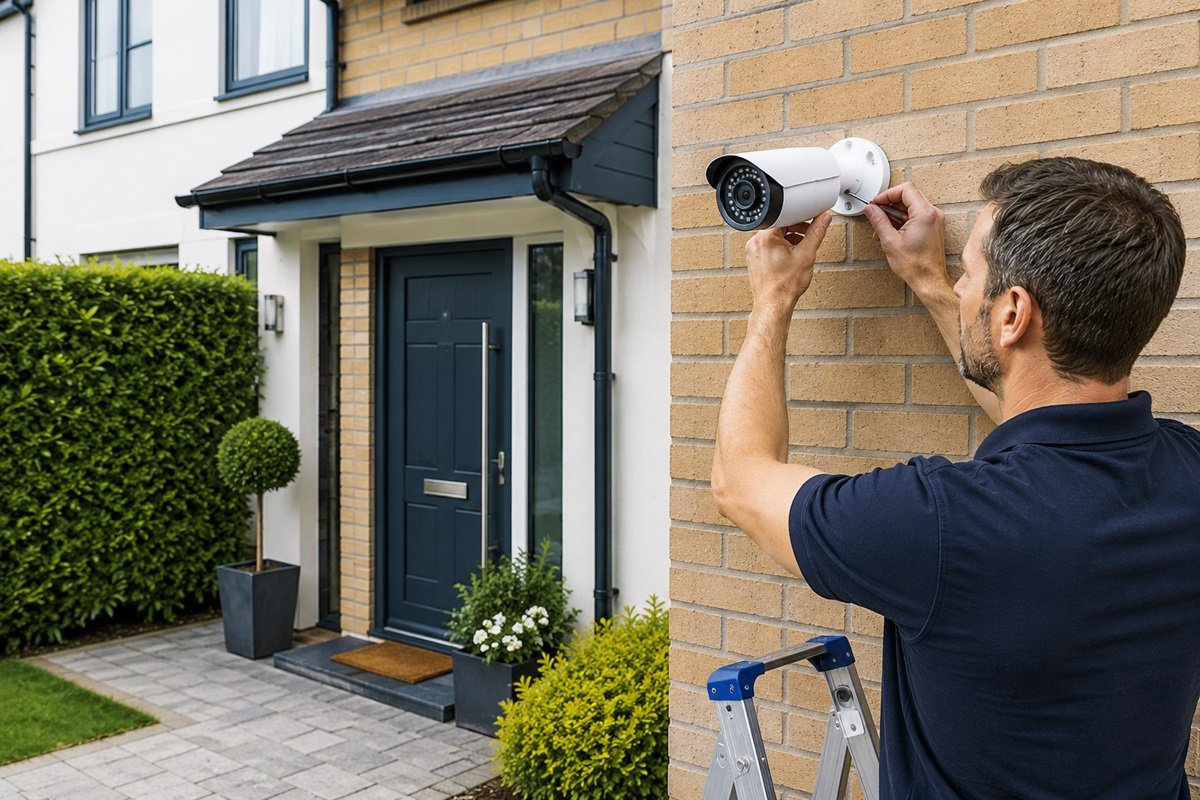
One of the most effective ways to improve home security is to install a CCTV system. As modern smart cameras have become more affordable and easier to install, many UK homeowners have chosen to install CCTV systems to protect their property, deter intruders and monitor deliveries. However, purchasing cameras alone is not enough. Proper planning, positioning and maintenance are essential to ensure your system works effectively.
This CCTV installation guide covers everything UK homeowners need to know before installing a home security camera system.
Why Install CCTV at Home?
A professionally installed or well-planned DIY CCTV system offers several benefits, including:
- Deters burglars and opportunistic thieves
- Monitors entrances and driveways
- Records evidence if an incident occurs
- Helps protect vehicles and outbuildings
- Allows remote monitoring through smartphone apps
- Provides reassurance when you’re away from home
Visible security cameras can also make your property less attractive to criminals looking for an easy target.
Choose the Right CCTV System
Decide which type of system best suits your property before installation.
Wired CCTV
Wired systems offer stable connections and continuous recording. Although they are ideal for larger homes, they often require professional installation due to the need for cable routing.
Wireless CCTV
Wireless cameras connect via Wi-Fi, which makes installation simpler and less disruptive. Many modern systems offer cloud storage, motion alerts and live viewing via mobile apps.
Smart Security Cameras
Smart cameras integrate with home automation systems and often include the following features:
- AI motion detection
- Person recognition
- Night vision
- Two-way audio
- Mobile notifications
- Cloud or local storage
Choose a system that matches your security needs and budget.
Plan Camera Locations Carefully
Correct camera placement is one of the most important aspects of any CCTV installation.
Prioritise coverage of the following areas:
- Front door
- Back entrance
- Driveway
- Garage
- Garden access
- Side gates
- Ground-floor windows
Avoid pointing cameras directly into bright sunlight, as glare can reduce image quality. Mount cameras high enough to prevent tampering while still capturing clear facial images.
Ensure Proper Lighting
Even cameras with infrared night vision perform better when there is some external lighting available.
Consider installing the following:
- Motion-activated security lights
- LED porch lights
- Low-level garden lighting
Well-lit areas improve video quality and further discourage intruders.
Understand UK Privacy Rules
When installing CCTV, homeowners should respect the privacy of their neighbours and other members of the public.
Good practice includes:
- Position cameras primarily within your property boundary.
- Avoid recording neighbouring gardens or windows where possible.
- Display CCTV signage if your cameras capture areas beyond your property.
- Secure recorded footage and only retain it for as long as necessary.
Following these principles helps to ensure that your system is used responsibly.
Secure Your CCTV Network
Internet-connected cameras should always be protected against unauthorised access.
Follow these security tips:
- Change default passwords immediately.
- Enable two-factor authentication where available.
- Keep camera firmware updated.
- Use strong, unique passwords.
- Secure your home Wi-Fi with WPA2 or WPA3 encryption.
Remember that cybersecurity is just as important as physical security.
Test Your System After Installation
Once installation is complete, verify that each camera is functioning correctly.
Check the following:
- Viewing angles
- Image quality
- Night vision performance
- Motion detection zones
- Mobile app notifications
- Recording playback
Testing helps to identify blind spots before they can become security risks.
Maintain Your CCTV System
Regular maintenance ensures your cameras operate effectively throughout the year.
Inspect your system every few months by:
- Cleaning camera lenses
- Removing dirt, cobwebs, and leaves
- Checking mounting brackets
- Testing recording functions
- Reviewing storage capacity
- Installing firmware updates
Routine maintenance helps extend the lifespan of your security equipment.
Common CCTV Installation Mistakes to Avoid
Many homeowners reduce the effectiveness of their systems by making avoidable errors.
These include:
- Installing cameras too high or too low
- Leaving blind spots around entrances
- Ignoring Wi-Fi signal strength
- Using weak passwords
- Forgetting regular maintenance
- Failing to test recordings after installation
Planning your installation carefully will help maximise both security and reliability.
Conclusion
A well-installed CCTV system is a valuable investment for any UK homeowner. Selecting the right equipment, positioning cameras strategically, securing your network and maintaining the system regularly can significantly improve your home’s security and give you greater peace of mind.
Whether you opt for a DIY wireless setup or a professionally installed wired system, this CCTV installation guide will help ensure your cameras provide reliable protection for years to come. The keys to getting the most from your home security system are regular maintenance, responsible use and smart placement.