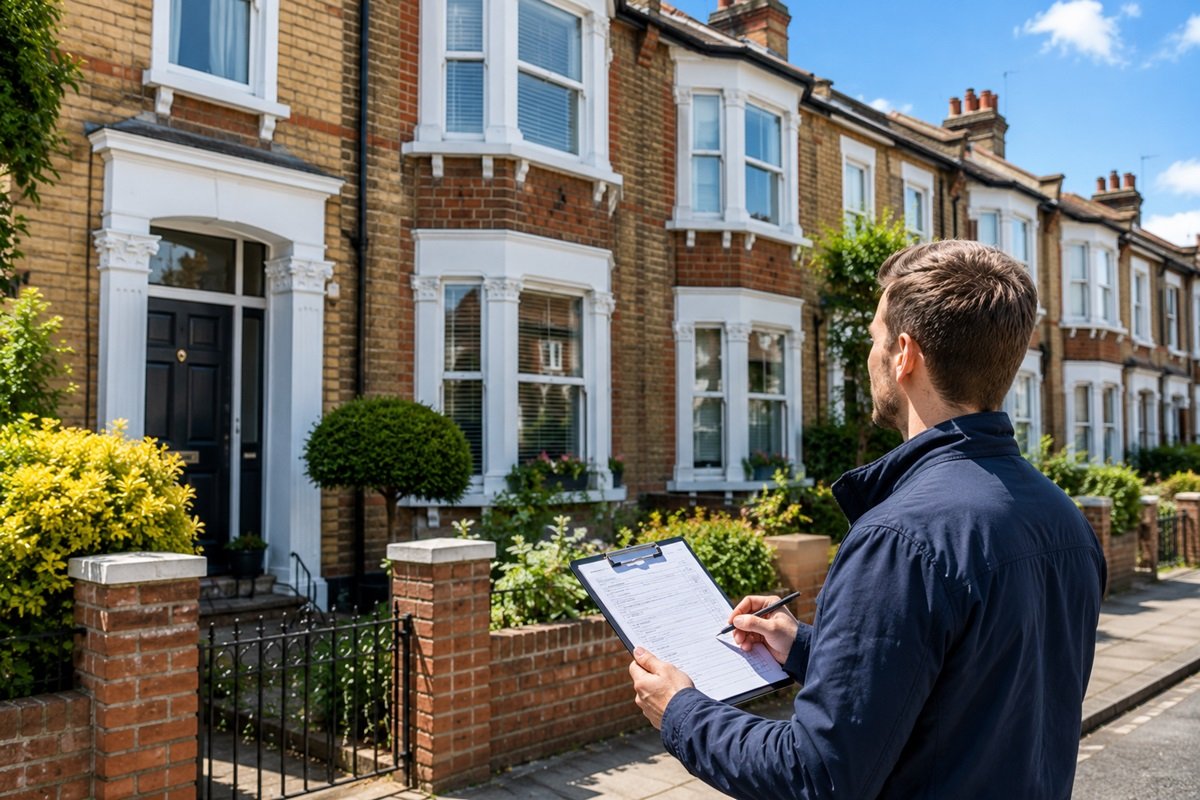
Your home is one of your most valuable assets, but its value can decline over time if you ignore maintenance issues, outdated features or changing market expectations. Whether you’re planning to sell soon or simply want to protect your investment, spotting the warning signs early can help you avoid costly repairs and maximise your property’s appeal.
Below, we explore eight common signs that your UK property may be losing value, along with practical steps you can take to address them.
1. Poor Kerb Appeal
First impressions matter. If the exterior of your property looks neglected, potential buyers may assume that the interior has also been poorly maintained.
Common signs of neglect include:
- Peeling paint
- Overgrown gardens
- Damaged fencing
- Dirty driveways
- Worn front doors
How to fix it:
Refresh the exterior paintwork, pressure-wash paths and driveways, trim hedges, replace damaged fencing and add attractive plants or flowers. These relatively inexpensive improvements can make your property look well cared for and more inviting.
2. Outdated Kitchen and Bathroom
The kitchen and bathroom are among the first areas that buyers will evaluate. Dated fittings, worn worktops and ageing fixtures can reduce the property’s perceived value.
How to fix it:
A full renovation isn’t always necessary. Instead, repaint the cabinets, install modern handles, replace the taps, upgrade the lighting and fit a new splashback. These small updates can provide a significant visual improvement without requiring a major investment.
3. Visible Damp or Mould
Damp patches, mould growth and condensation problems are major red flags for buyers. They may indicate structural problems or inadequate ventilation.
How to fix it:
First, identify the source of the moisture before redecorating. This may involve repairing leaks, improving ventilation with extractor fans, sealing cracks, and using damp-proof treatments where appropriate. Controlling humidity protects both your property and your indoor air quality.
4. Poor Energy Efficiency
With energy costs rising across the UK, buyers are increasingly looking for energy-efficient homes that are cheaper to run.
Warning signs include:
- High heating bills
- Single-glazed windows
- Poor loft insulation
- Old boilers
- Draughty doors and windows
How to fix it:
Improve insulation, install double or triple glazing where possible, upgrade to an efficient boiler, replace old lighting with LEDs and seal draughts. These improvements can enhance comfort while reducing ongoing energy costs.
5. Neglected Maintenance
If left unresolved, small problems can quickly become expensive.
Watch for:
- Cracked walls
- Loose roof tiles
- Blocked gutters
- Broken paving
- Rotting timber
How to fix it:
Carry out regular maintenance throughout the year. Addressing minor repairs promptly helps to prevent larger structural issues and demonstrates that the property has been well maintained.
6. Lack of Modern Storage
Modern buyers value organised, clutter-free living spaces. Insufficient storage can make a property feel smaller than it actually is.
Here’s how to fix it:
Install fitted wardrobes, utilise under-stairs storage space, add shelving and optimise kitchen cabinets with pull-out organisers. Clever storage solutions improve both functionality and presentation.
7. Interior Looks Tired or Overly Personal
Excessive personal décor, bold colours and dated wallpaper can make it difficult for buyers to imagine themselves living in the property.
How to fix it:
Choose neutral paint colours, update the flooring if necessary, improve the lighting and remove any unnecessary clutter. This will create a more spacious and welcoming atmosphere, appealing to a wider range of buyers.
8. Local Market Expectations Have Changed
Buyer preferences evolve over time. Features that were desirable a decade ago may no longer meet current expectations.
Examples include:
- Limited home office space
- Poor internet connectivity
- Insufficient outdoor living areas
- Lack of electric vehicle charging options
How to fix it:
Research comparable properties in your local area and identify improvements that align with current buyer demand. Even modest upgrades, such as creating a dedicated workspace or improving the outdoor area, can make your home more appealing to buyers.
How to Protect Your Property’s Long-Term Value
Maintaining your home’s value is about more than just preparing it for sale. Regular inspections, preventive maintenance, energy-efficient upgrades and modern design improvements all help to preserve your investment in the long term.
It is also advisable to keep records of repairs and improvements, as these can reassure prospective buyers and demonstrate that the property has been well maintained.
Conclusion
Although property values are influenced by many factors, homeowners have considerable control over how they present and maintain their homes. Recognising these eight warning signs early and taking practical steps to resolve them can improve your property’s appearance, functionality and market appeal.
Whether you’re planning to sell in the near future or simply want to safeguard your investment, maintaining your property proactively and making thoughtful upgrades are among the most effective ways to protect its value.