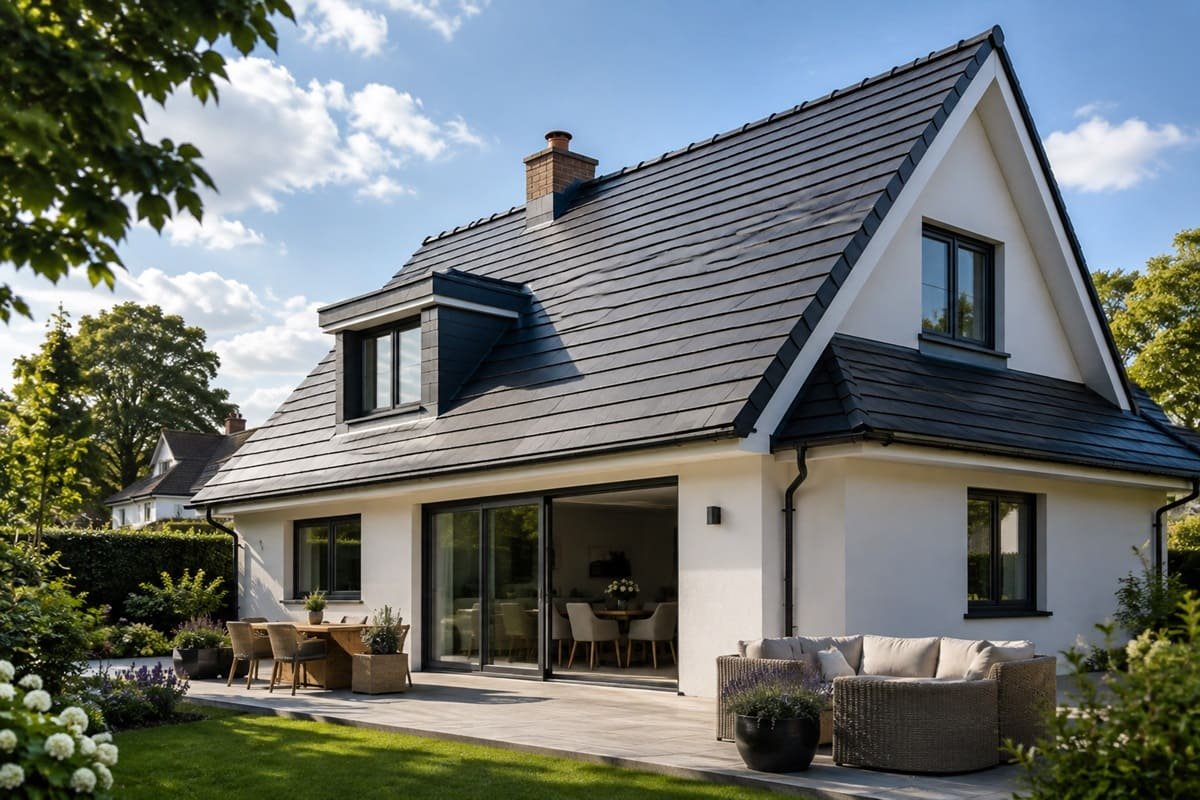
The pitched roof is one of the most common roof styles found across the UK. With its sloping sides, it is designed to shed rainwater efficiently while providing excellent durability and extra loft space. Pitched roofs remain the preferred option for many UK homeowners because they perform well in Britain’s wet and often unpredictable climate, and can be found on everything from traditional cottages to modern family homes.
If you are planning a new build, roof replacement or home extension, familiarising yourself with the different types of pitched roof and their respective advantages can help you select the most suitable design.
What Is a Pitched Roof?
A pitched roof is a type of roof structure with one or more sloping surfaces that usually converge at a central ridge. Unlike flat roofs, they allow rainwater and snow to run off naturally, thereby reducing the risk of standing water and leaks.
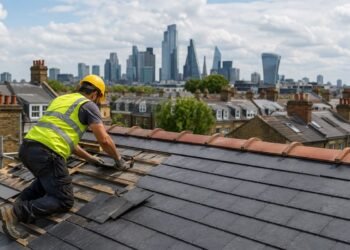
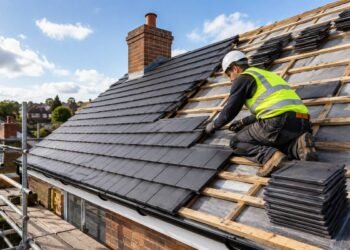
In the UK, most pitched roofs are constructed using timber rafters or prefabricated roof trusses, and are covered with concrete or clay tiles, or natural or synthetic slate.
The roof pitch is measured in degrees. Residential properties commonly have roof pitches ranging from 30° to 45°, although steeper designs are also used in traditional architecture.
Common Types of Pitched Roofs
Several pitched roof designs are widely used across the UK.
1. Gable Roof
The gable roof is the most recognisable style, featuring two sloping roof sections that meet at the ridge.
Best for:
- Detached and semi-detached houses
- New-build homes
- Traditional properties
2. Hip Roof
A hip roof slopes on all four sides, providing excellent wind resistance and structural stability.
Best for:
- Exposed coastal locations
- Larger family homes
- Properties in high-wind areas
3. Dormer Roof
A dormer roof includes vertical windows that project from the main roof, increasing usable loft space and natural light.
Best for:
- Loft conversions
- Extra bedrooms
- Home offices
4. Mansard Roof
A mansard roof has steep lower slopes and flatter upper sections, creating maximum internal living space.
Best for:
- Period properties
- Urban developments
- Loft extensions
5. Mono-Pitch Roof
Also called a lean-to roof, a mono-pitch roof consists of a single sloping surface.
Best for:
- Home extensions
- Garages
- Contemporary house designs
Advantages of a Pitched Roof
Pitched roofs remain popular because they offer several practical advantages.
Excellent Weather Protection
The sloping design quickly channels rainwater and snow away from the roof surface, reducing the likelihood of leaks and standing water.
Long Service Life
With proper installation and maintenance, pitched roofs can last 50 to 100 years, depending on the roofing material used.
Better Loft Space
Many pitched roofs create usable attic or loft areas that can be converted into bedrooms, storage, or home offices, adding value to the property.
Improved Drainage
Water flows naturally into gutters, reducing moisture-related issues compared with many flat roof systems.
Increased Property Value
A well-maintained pitched roof is often viewed as a desirable feature by homebuyers due to its durability, appearance, and long lifespan.
Are There Any Disadvantages?
Although pitched roofs provide many benefits, there are a few considerations.
- Higher installation costs than flat roofs.
- Longer construction times.
- More complex repairs due to roof height and access.
- Scaffolding is often required for maintenance.
Despite these factors, the longer lifespan often makes pitched roofs a cost-effective investment over time.
Is a Pitched Roof Suitable for Your Home?
A pitched roof is an excellent choice if you:
- Live in an area with frequent rainfall.
- Want a durable roofing system.
- Plan to convert your loft in the future.
- Prefer a traditional or timeless appearance.
- Want to improve your home’s long-term value.
For many UK properties, pitched roofs provide better weather performance and lower long-term maintenance costs than flat roofs.
Conclusion
A pitched roof is one of the most reliable roofing options for homes in the UK. Its sloping design effectively handles rain and snow, providing excellent durability and creating valuable loft space that can be used for storage or future conversions. The right roof style for your property depends on its layout, your budget, and your long-term plans, as well as the design you choose: gable, hip, dormer, mansard, or mono-pitch.
Before starting any roofing project, it is advisable to seek the advice of a qualified roofing contractor, who will be able to recommend the most suitable roof type for your home while ensuring compliance with UK Building Regulations.
Frequently Asked Questions
What is the difference between a pitched and a flat roof?
A pitched roof has one or more sloping surfaces that allow water to drain away naturally. In contrast, a flat roof has little or no slope and relies on drainage outlets to remove rainwater.
What is the most common type of pitched roof in the UK?
The gable roof is the most popular design for UK homes because it is cost-effective and simple to build, providing good drainage.
How long does a pitched roof last?
Depending on the roofing material, workmanship, and ongoing maintenance, most pitched roofs last between 50 and 100 years.
Are pitched roofs more expensive than flat roofs?
Yes. Pitched roofs usually cost more to build due to the additional materials and labour required. However, its longer lifespan and lower maintenance requirements often make it a better long-term investment.