Plumbers Mate is a traditional, non-setting plumbing sealant that is widely used for sealing sink wastes, basin fittings, bath wastes and other sanitary fixtures. Unlike silicone sealants, it remains flexible and does not harden, so it is easy to remove during future maintenance.
Although it is simple to use, many DIY enthusiasts make mistakes that can result in leaks, inadequate sealing or damaged fittings. This guide explains how to use Plumbers Mait correctly and highlights the eight most common mistakes to avoid.
What Is Plumbers Mait Used For?
Plumbers Mait is designed to create a waterproof seal between plumbing fixtures and surfaces. It is commonly used on:
- Kitchen sink waste fittings
- Bathroom basin wastes
- Bath waste assemblies
- Shower tray waste fittings
- Metal and plastic plumbing connections that require a non-setting seal
It is not intended for use with pressurised water pipes or threaded pipe joints.
How to Use Plumbers Mait Properly
Follow these simple steps to achieve a reliable seal:
- Clean and dry all surfaces before application.
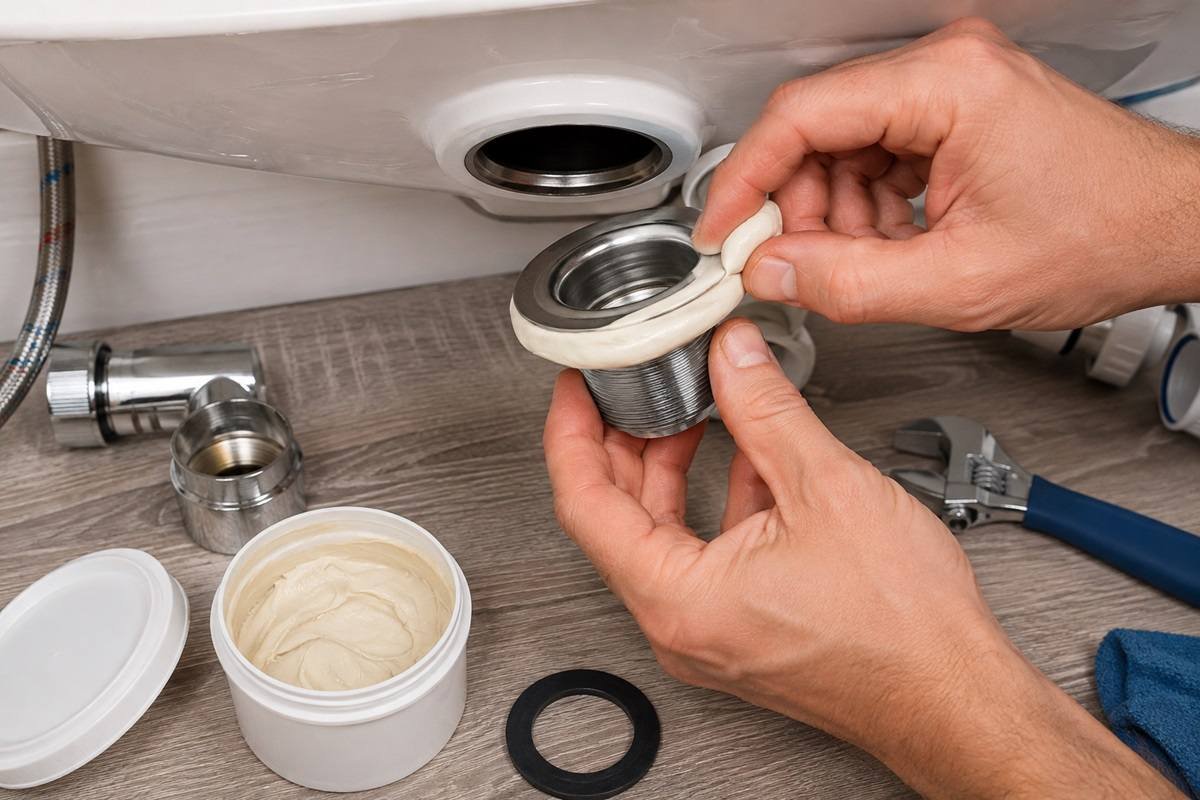
- Roll a small amount of Plumbers Mait into a thin rope.
- Evenly place it around the underside of the waste flange or fitting.
- Insert the fitting into position.
- Gradually tighten the fixing nut without overtightening.
- Wipe away any excess sealant that has been squeezed out around the edge.
- Test the fitting with water to check for leaks.
Because Plumbers Mait never fully hardens, it continues to provide a flexible waterproof seal.
8 Common Mistakes to Avoid
1. Applying It to Dirty Surfaces
Dust, grease, old sealant, and moisture prevent proper adhesion. Always clean and dry the surfaces thoroughly before installation.
2. Using Too Much Sealant
Applying excessive Plumbers Mait won’t create a better seal. Instead, it can squeeze into unwanted areas and make cleanup more difficult. A thin, even bead is usually sufficient.
3. Using Too Little
Using too little sealant can leave gaps where water can escape. Ensure the entire sealing surface is covered evenly.
4. Overtightening the Fitting
Many people believe that tighter is better. However, overtightening can force out too much sealant, distort plastic fittings or even crack ceramic basins. Tighten only until the fitting is secure.
5. Using It on Pressurised Pipe Threads
Plumbers Mait is not a substitute for PTFE tape or thread sealant. It is designed for flange and waste fittings rather than threaded water supply connections.
6. Mixing It with Silicone Sealant
Using Plumbers Mait together with silicone usually creates unnecessary mess and makes future repairs harder. Choose the sealant recommended by the fitting manufacturer instead of combining products.
7. Removing Excess Sealant
Once the fitting is tightened, remove any excess Plumbers Mait with a clean cloth or plastic scraper. This creates a cleaner finish and prevents dirt from collecting around the fitting.
8. Skipping the Leak Test
Even if the fitting looks secure, always run water through the fixture after installation. A quick leak test helps identify any issues before they become larger plumbing problems.
Tips for Best Results
For the best performance:
- Work on clean, dry surfaces.
- Use only enough sealant to create a continuous ring.
- Tighten fittings evenly.
- Follow the manufacturer’s installation instructions.
- Keep unused Plumbers Mait sealed in its container to prevent contamination.
When Should You Use Silicone Instead?
Silicone sealant is often preferred for visible waterproof joints, such as around baths, shower trays and kitchen worktops. Plumbers’ mate is generally better suited to hidden waste fittings, as it allows for flexibility and easy future removal.
Using the right product for the job helps ensure a longer-lasting, leak-free installation.
Final Thoughts
Learning how to use Plumbers putty correctly can help prevent leaks and simplify future plumbing repairs. By properly preparing surfaces, applying the correct amount and avoiding common mistakes such as overtightening or using it for the wrong purpose, you can achieve a reliable, professional-looking seal.
Whether you’re replacing a sink waste or installing a new basin, following these best practices will improve the quality of your DIY plumbing project and reduce the risk of needing costly repairs in the future.
Frequently Asked Questions
Can Plumbers Mait stop leaks?
Yes, when applied correctly to waste fittings and sanitary fixtures, Plumbers Mait creates a reliable waterproof seal. However, it is not suitable for repairing leaking pressurised pipes.
Does Plumbers Mait dry or harden?
No. Plumbers Mait remains soft and flexible, allowing fittings to be removed and serviced more easily than those sealed with hard-setting products.
Can Plumbers Mait be used with plastic fittings?
Yes. It is compatible with most plastic and metal waste fittings, provided you avoid overtightening during installation.
Is Plumbers Mait better than silicone?
Neither is universally better. Plumbers Mait is ideal for hidden waste fittings that may need future maintenance, while silicone is better for exposed waterproof joints around baths, sinks, and shower trays.