

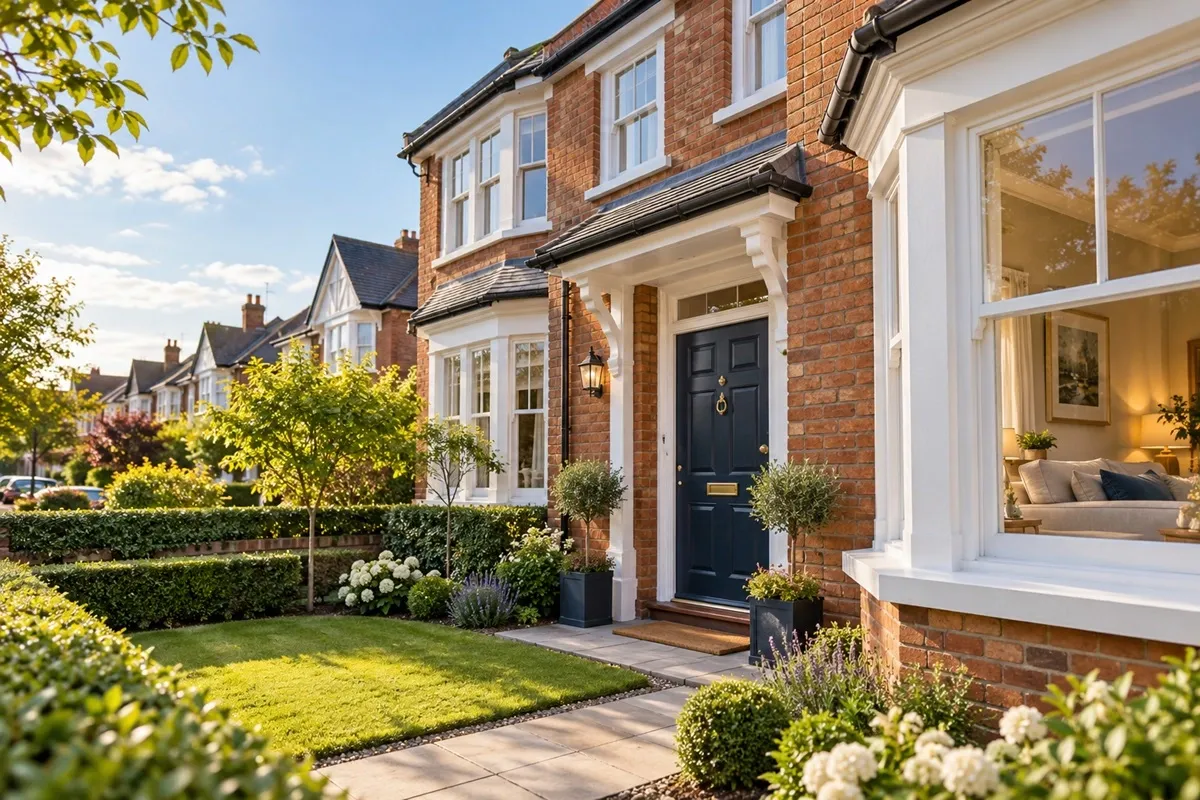
Selling your home is a major financial decision, and preparing it properly can make a real difference to how potential buyers perceive it. If you’re wondering how to add value to your property before selling, the good news is that you don’t necessarily need an expensive renovation.
From improving kerb appeal to refreshing interiors and addressing maintenance problems, thoughtful changes can make your property more attractive to prospective buyers.
However, not every improvement increases market value or recovers its cost. The key is understanding which upgrades suit your property, budget and local housing market.
1. Improve Your Property’s Kerb Appeal
First impressions begin before buyers step through the front door. A well-maintained exterior can make your home appear more welcoming and cared for.
Consider these simple improvements:
- Clean windows, pathways and driveways.
- Repaint a tired front door.
- Trim overgrown hedges and plants.
- Repair damaged fencing or gates.
- Remove clutter from the entrance.
- Keep lawns and flowerbeds tidy.
You don’t need an elaborate garden makeover. A clean, attractive entrance can help buyers approach their viewing with a positive impression.
2. Declutter and Deep Clean Every Room
One of the cheapest ways to improve your home’s presentation is to remove unnecessary clutter.
Overcrowded rooms can make it difficult for buyers to appreciate the available space. Clearing excess furniture and personal belongings helps highlight the property’s layout and practical features.
Before arranging viewings:
- Deep-clean kitchens and bathrooms.
- Wash windows and mirrors.
- Remove unnecessary furniture.
- Clean carpets and upholstery.
- Organise cupboards and storage areas.
- Eliminate unpleasant odours.
Pay particular attention to overlooked areas such as skirting boards, extractor fans and internal doors.
A clean, organised property gives buyers a clearer picture of how they might use each room.
3. Refresh Walls With Neutral Paint
Fresh paint is a relatively straightforward way to update tired interiors without undertaking major building work.
Neutral shades such as warm white, soft grey and light beige can create a bright, cohesive appearance while allowing buyers to imagine their own furnishings in the space.
Focus particularly on:
- Scuffed or marked walls.
- Peeling paintwork.
- Dated colour schemes.
- Worn skirting boards and door frames.
There’s no need to repaint every room if the existing decoration is in good condition. Prioritise areas where a refresh will make the most noticeable difference.
4. Make Sensible Kitchen Improvements
The kitchen is an important practical space, but replacing an entire kitchen shortly before selling may not be financially worthwhile.
Instead, consider smaller improvements that address visible wear or outdated features.
These might include:
- Replacing damaged cupboard handles.
- Repainting suitable cabinet doors.
- Repairing worn worktops.
- Updating tired lighting.
- Replacing damaged splashback tiles.
- Fixing leaking taps or faulty fittings.
Keep changes consistent with the property’s overall style and price range.
Before investing in a complete renovation, ask local estate agents whether comparable homes with modern kitchens achieve sufficiently higher selling prices to justify the expense.
5. Update Your Bathroom Without Overspending
A dated bathroom doesn’t always require a complete refurbishment.
Several affordable changes can improve its appearance and functionality:
- Replace discoloured sealant.
- Repair cracked or damaged tiles.
- Refresh stained grout.
- Fix dripping taps.
- Replace broken accessories.
- Improve lighting and ventilation.
Cleaning existing fixtures thoroughly can also make a noticeable difference.
If the bathroom works properly and remains in reasonable condition, targeted improvements may be more sensible than replacing everything.
6. Repair Outstanding Maintenance Issues
Visible maintenance problems can raise questions about a property’s overall condition.
Before listing your home, inspect it for issues such as:
- Leaking taps or pipes.
- Broken door handles.
- Damaged flooring.
- Loose electrical fittings.
- Cracked tiles.
- Blocked gutters.
- Damp patches or water damage.
Investigate underlying problems rather than simply covering up visible symptoms. Damp, structural concerns and electrical defects may require qualified professional assessment.
Being transparent about known issues is important throughout the selling process.
The government’s How to Sell a Home guide explains the information sellers may need to provide.
7. Improve Your Home’s Energy Efficiency
Energy efficiency is another consideration when preparing a property for sale.
An Energy Performance Certificate (EPC) gives a property’s energy efficiency a rating from A to G. An EPC is generally valid for ten years, although a new assessment may be appropriate following changes that affect the rating.
According to GOV.UK’s EPC guidance, sellers must meet the relevant EPC requirements when marketing their homes.
Potential improvements include:
- Adding suitable loft insulation.
- Draught-proofing doors and windows.
- Improving heating controls.
- Repairing poorly fitting windows.
- Considering appropriate insulation upgrades.
The Energy Saving Trust explains how insulation and draught-proofing can reduce household heat loss.
Before spending money, review your EPC recommendations and compare installation costs with the likely benefits. Energy-saving improvements do not guarantee a higher selling price.
8. Make Better Use of Existing Space
Usable space can be an important consideration for prospective buyers.
Before considering an extension, look at how effectively your existing rooms function.
For example, you could:
- Turn an underused room into a practical home office.
- Improve storage beneath stairs.
- Remove oversized furniture.
- Rearrange rooms to improve movement.
- Make better use of natural daylight.
For homeowners considering substantial changes, loft conversions and extensions may create additional living space.
The Royal Institution of Chartered Surveyors (RICS) explains that carefully planned home improvements can add value.
However, major projects require an assessment of costs, permissions and potential resale benefits. Some loft conversions qualify as permitted development, but building regulations approval is still required for creating habitable space.
9. Improve Your Garden and Outdoor Areas
Outdoor spaces can strengthen a property’s overall appeal when they’re clean, accessible and easy to maintain.
Simple improvements include mowing lawns, clearing weeds, cleaning patios and repairing damaged fences.
If your property has a balcony or small courtyard, make sure buyers can clearly see how the space could be used.
Avoid expensive landscaping unless there is a convincing reason to expect it to benefit the sale.
10. Research Local Property Prices Before Renovating
One of the most important steps is understanding your property’s current market position.
Use comparable recently sold properties to assess whether an improvement is likely to justify its cost.
HM Land Registry’s sold-price service provides transaction information for properties in England and Wales.
You can also request valuations from local estate agents familiar with your neighbourhood.
Compare properties with similar:
- Locations and property types.
- Numbers of bedrooms.
- Floor areas.
- General conditions.
- Outdoor spaces.
This research can help you avoid spending heavily on improvements that may not produce a worthwhile return.
Which Home Improvements Should You Prioritise?
| Improvement | General cost level | Main benefit |
|---|---|---|
| Decluttering and cleaning | Low | Better presentation |
| Interior painting | Low–medium | Fresher appearance |
| Minor repairs | Varies | Improved condition |
| Kitchen and bathroom updates | Medium | Better functionality and presentation |
| Insulation improvements | Varies | Potential energy savings |
| Loft conversions or extensions | High | Potential additional living space |
Cost categories are general comparisons, not quotations. Actual costs and resale benefits depend on the property and project.
Frequently Asked Questions
What is the cheapest way to add value to a house?
Cleaning, decluttering, repairing minor defects and refreshing tired paintwork are sensible, inexpensive starting points. They can improve presentation, although an increase in sale price isn’t guaranteed.
Does a new kitchen increase property value?
A well-designed kitchen may improve buyer appeal, but its financial return depends on the existing kitchen, renovation costs and local market. Minor improvements may be more appropriate before selling.
Is it worth renovating a house before selling?
It depends on the property’s condition and expected selling price. Compare renovation quotations with local valuations before committing to expensive work.
Does improving an EPC rating increase house value?
Energy improvements can reduce heat loss and running costs, but the impact on selling price varies. There is no guaranteed percentage increase from achieving a particular EPC band.
Final Thoughts
Understanding how to add value to your property before selling is about making informed improvements rather than spending as much as possible.
Start with cleaning, decluttering, repairs and presentation. Consider larger upgrades only after researching comparable property prices and seeking professional advice.
By concentrating on your home’s condition, functionality and appeal, you can prepare it confidently for the market while keeping unnecessary expenditure under control.









Comments 1