Choosing a front door colour is about more than finding a shade you like. Your entrance should complement your home’s architecture, brickwork, windows and overall exterior design. The right combination can make a property feel welcoming and well maintained, while a poorly matched colour may look out of place.
If you’re wondering how to choose a front door colour, start by examining your home’s existing features. Then consider suitable colours, door styles, finishes and practical maintenance requirements before making your final decision.
1. Start With Your Home’s Exterior
Before browsing paint charts, step outside and look at your property as a whole.
The colour of your front door should work with the materials and features surrounding it, including:
- Brickwork: Red, brown and buff bricks have different undertones that influence colour combinations.
- Rendered walls: White, cream and grey render can provide a relatively neutral backdrop.
- Window frames: Matching or coordinating with existing frames can create a consistent appearance.
- Roofing and architectural details: Tiles, stonework and decorative trim contribute to the overall colour scheme.
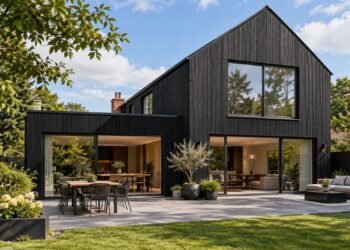
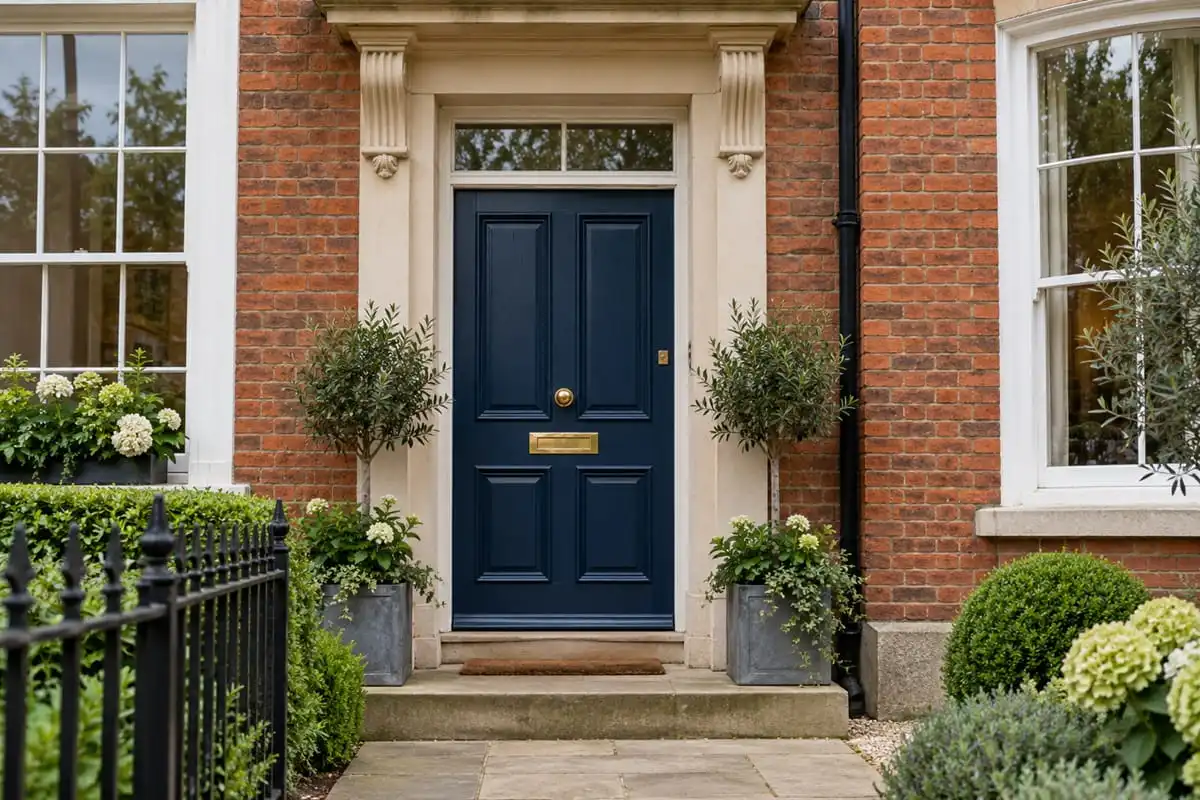
For example, a deep green or navy door can provide an attractive contrast against warm red brick. A charcoal or black door may complement a contemporary property with pale render and dark window frames.
These are design suggestions rather than fixed rules. The best choice depends on the particular shades and features of your home.
For more inspiration, explore our guide to exterior house colours in the UK.
2. Choose a Front Door Colour to Match Your House Style
Different architectural styles lend themselves to different door designs and colour combinations.
Traditional and Period Homes
Georgian, Victorian and Edwardian properties often have distinctive entrance details, including decorative surrounds, panelled doors and traditional ironmongery.
Consider colours such as:
- Deep navy blue.
- Forest green.
- Burgundy.
- Classic black.
- Muted heritage shades.
These colours can complement period features without overwhelming them.
Modern and Contemporary Homes
Contemporary properties often suit simple door designs and carefully chosen contrasts.
Popular design options include charcoal grey, black, white and muted green. A brighter accent colour can also work against a restrained exterior.
Consider how the door will coordinate with aluminium window frames, render and exterior cladding.
Cottages and Country Homes
Cottages often feature natural stone, traditional brickwork, timber and softer architectural details.
Sage green, muted blue, warm cream and traditional timber finishes may complement these surroundings.
The aim is to create a welcoming entrance that feels connected to the building’s character.
3. Which Front Door Colour Should You Choose?
Several colour families are worth considering when planning a new entrance.
| Front Door Colour | Suitable Design Context | Key Consideration |
|---|---|---|
| Navy blue | Traditional and contemporary homes | Provides strong contrast with lighter exteriors |
| Forest green | Period homes and cottages | Complements many natural materials |
| Black | Classic and minimalist entrances | May appear heavy against very dark brick |
| Charcoal grey | Modern homes | Coordinates with contemporary frames |
| Burgundy or deep red | Traditional brick properties | Warm and cool undertones need careful matching |
| White or cream | Cottages and darker exteriors | Dirt and marks may be more noticeable |
| Yellow or bold blue | Neutral contemporary exteriors | Test carefully to avoid an overpowering result |
There is no universally best front door colour for every UK property.
A successful choice balances contrast, architectural character, surrounding materials and personal taste.
4. How to Choose the Right Front Door Style
Colour is only one part of the decision. The door’s design also affects the appearance of your entrance.
Traditional panelled doors often complement Georgian, Victorian and Edwardian properties. Decorative glazing and classic hardware can reinforce their character.
Contemporary doors typically feature cleaner lines, simpler detailing and understated handles. They can work particularly well with modern architecture.
Glazed doors can introduce natural light into a dark hallway, although privacy, glazing specifications and security should also be considered.
If you’re replacing the entire door, compare timber, composite and aluminium options before choosing a finish. These materials have different construction and maintenance requirements.
Choose a style that suits the property’s proportions rather than following a passing trend.
5. Test Your Colour Before Making a Decision
A colour that looks attractive on a website or small sample may appear different on your front door.
Natural light, shadows and neighbouring materials can influence how a shade looks.
Before committing:
- Narrow your options to two or three colours.
- Obtain suitable physical colour samples.
- Compare them beside your brickwork and window frames.
- Check their appearance in morning, afternoon and overcast conditions.
- Confirm that the intended finish is compatible with your door.
For a timber door, follow the paint manufacturer’s preparation, priming and application instructions.
Composite and aluminium doors may have specialist factory-applied finishes. Check the manufacturer’s guidance before attempting to repaint or refinish them.
Consider appearance and durability together rather than selecting a colour purely from a digital image.
6. Check Restrictions Before Repainting
For an ordinary house in England, routine repainting and minor improvements generally do not require planning permission.
However, restrictions can apply to listed buildings, properties in conservation areas and homes affected by an Article 4 direction.
The Planning Portal’s guidance on doors and windows explains that additional permissions may be necessary in certain circumstances.
Historic England also advises homeowners to check whether external decorating changes could affect a listed building’s character. See its guidance on redecorating historic homes.
Before making changes, check any relevant local restrictions. Leaseholders may also need permission from their landlord or management company.
Planning rules differ across UK nations, so confirm requirements with the appropriate local authority.
7. Common Front Door Colour Mistakes to Avoid
Even an attractive colour can disappoint if important details are overlooked.
Common mistakes include:
- Choosing from a screen alone: Digital colours may not accurately represent the finished appearance.
- Ignoring undertones: A cool grey can clash with warmer brickwork.
- Overlooking neighbouring features: Window frames, gutters and door hardware influence the overall result.
- Using unsuitable paint: The wrong coating or inadequate preparation can affect adhesion and finish.
- Following trends without considering the property: A fashionable shade may not complement the building’s character.
If you’re preparing to sell, prioritise a clean, well-maintained entrance over an expensive cosmetic change.
Our guide to improving your home’s kerb appeal covers other practical improvements worth considering.
Frequently Asked Questions
What is the best front door colour for a red brick house?
Navy blue, deep green, burgundy and black are useful starting points. Compare physical samples against your particular brickwork because undertones vary considerably.
Should your front door match your windows?
Not necessarily. Matching creates consistency, while a contrasting door can make the entrance stand out. Both approaches can work when the colours complement the exterior.
What front door colours suit traditional UK homes?
Deep green, navy, black and muted reds often complement traditional architectural features. The most suitable shade depends on the building’s materials and period details.
Can you paint a composite front door?
Some composite doors can be refinished, but others have specialised surfaces or manufacturer restrictions. Check the door manufacturer’s instructions and any warranty conditions before painting.
Do you need permission to change your front door colour?
Routine repainting generally does not require planning permission in England, but listed buildings, conservation areas and local restrictions may create exceptions. Check before starting work.
Conclusion
The best way to choose a front door colour is to consider your home’s exterior, architectural style and practical requirements together. Compare a few suitable shades, test them in natural light and make sure the finish is appropriate for your door material.
Whether you prefer a traditional navy entrance or a contemporary charcoal finish, thoughtful coordination will usually produce a more convincing result than choosing a colour in isolation.